
Hallux Limitus (arthritis) Big Toe
Joint - Cheilectomy Procedure

Procedure
Cheilectomy Procedure
Aims of surgery
To reduce pain and deformity.
To improve the big toe movement & alignment.
To reduce callous/corn formation.
Advantages of this operation
Joint preserving procedure, which may improve the range of movement at the joint.
Specific risks of this operation
Joint stiffness
Recurrence of arthritic pain
Transfer of pressure to the ball of the foot
Delayed/Non-union of bone if osteotomy performed (bone does not knit together)
Fixation problems with the screws (<1%)
Shortening of the big toe (with modified Kellers procedure)
Further surgery
Deep Vein Thrombosis/Pulmonary Embolism
Operation time
Usually takes about 30 minutes.
Incision placement/stitches
Top side of the foot and with absorbable stitches where possible.
Procedure
Remove the bony outgrowths and joint debris which should improve joint motion and decrease pain.
An osteotomy (surgical fracture) may or may not be performed to improve function.
Fixation
Yes if an osteotomy is performed this is fixated with a screw. The surgeon will explain this further at the time of your consultation.
Will I have a plaster
No. You will be provided with a special shoe to wear.
Is this a day procedure?
Yes
Estimated time off work
1-6 weeks depending upon the type of work you do and whether you can work from home
Indications for the procedure
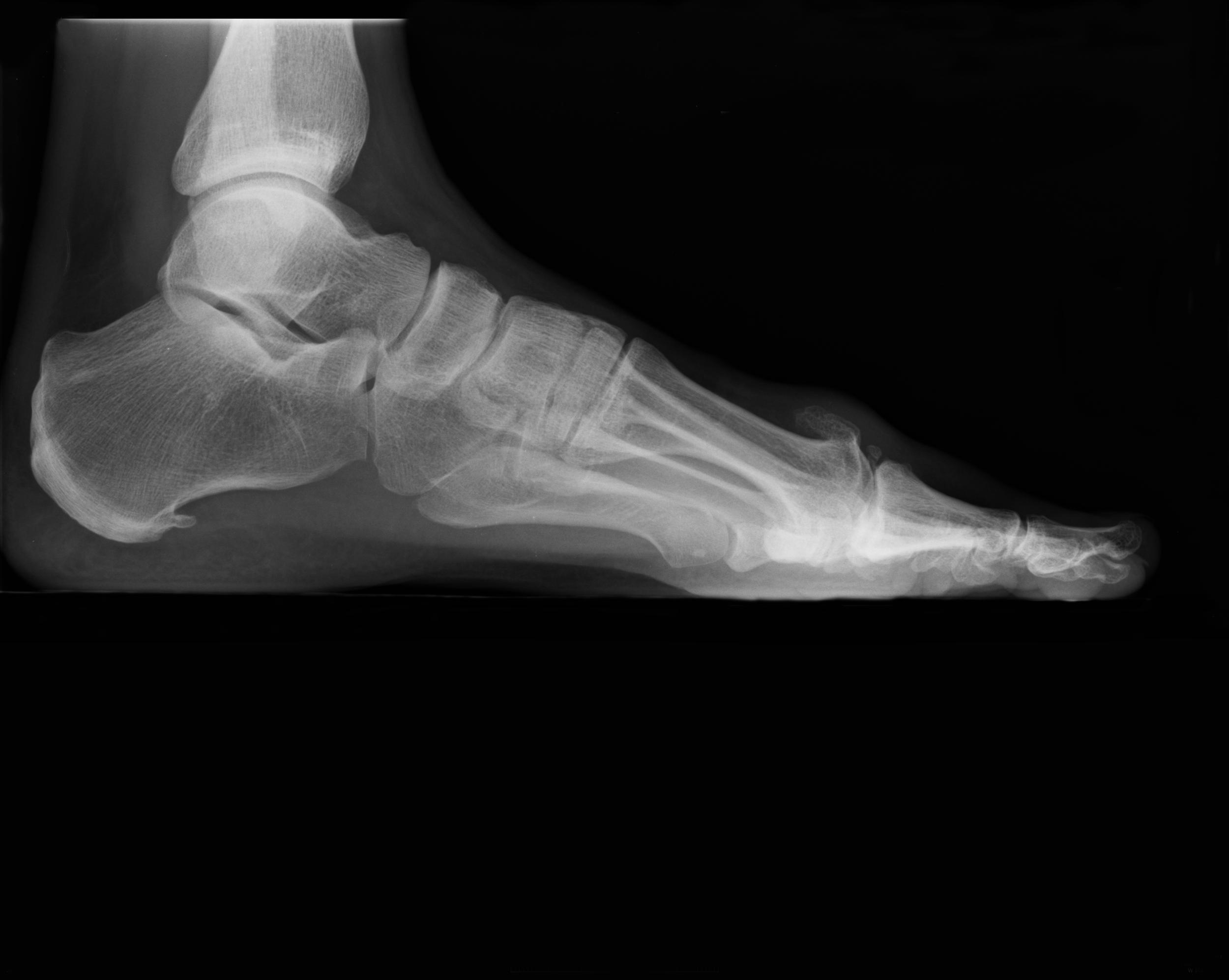
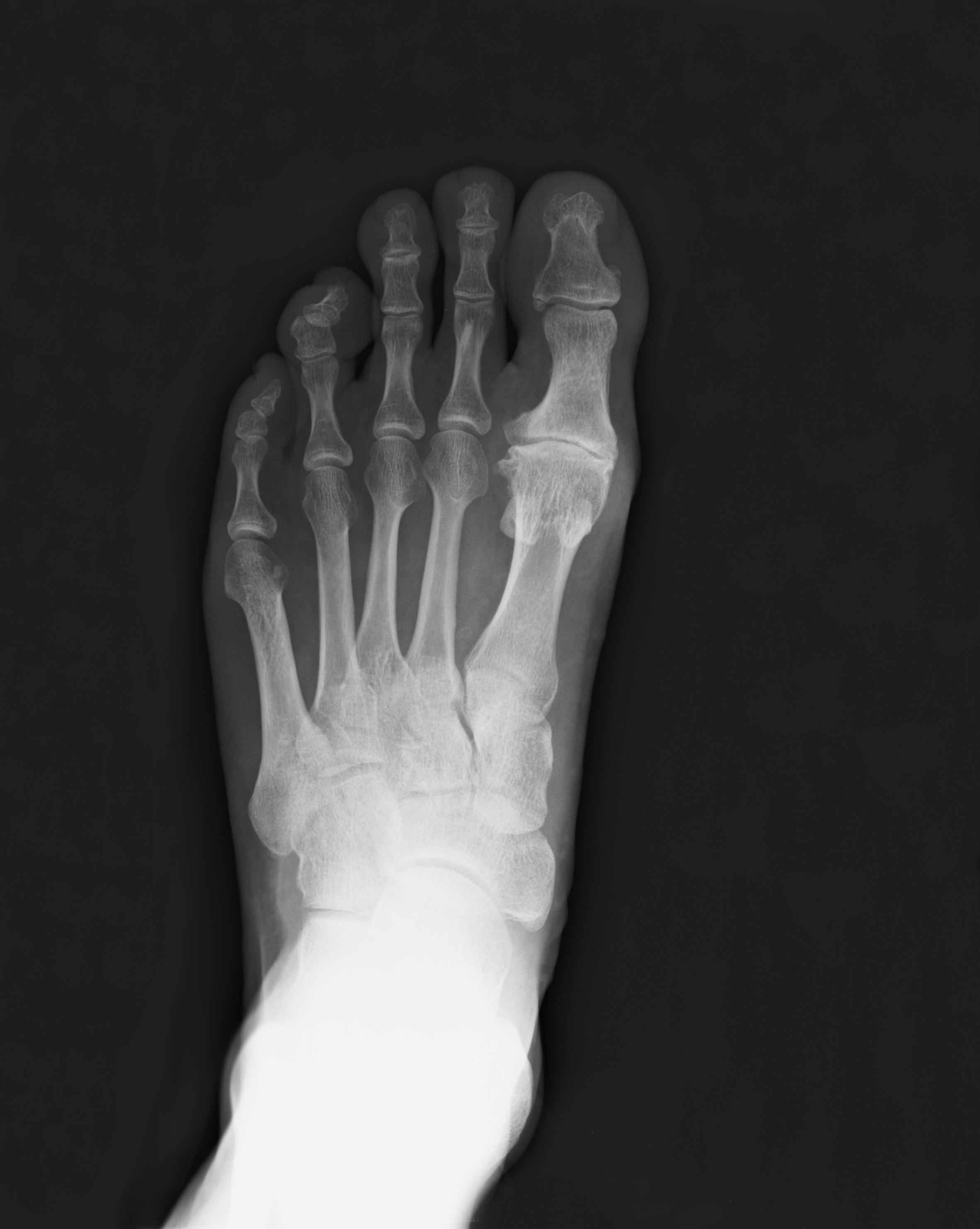
Arthritis of the big joint of the first toe.
Pain from the prominent joint.
Difficulty with shoe fit, despite wearing sensible footwear.
Alternative treatments
Manage your symptoms by altering activity levels, using painkillers and anti-inflammatories, changing footwear, using an insole or orthotic foot support, joint injection therapy. Other surgical procedures including 1st MTP joint fusion or excisional arthroplasty (Kellers procedure).
Patient reported outcomes
93% reduction in pain; patients have experienced nearly the same substantial reduction in pain as fusion patients. Patients demonstrate long-lasting, substantial improvement in foot function. Approximately 10% of patients may require a cortisone injection 6 months after the surgery to settle the joint down, and less than 2% of patients may require revision surgery (usually fusion).
More information
Speak with your consultant.


The operation can be performed comfortably under a local anaesthetic block, which is achieved with a series of injections around the ankle. You can remain fully awake during the operation and will be able to feel touch, pressure and vibration, but you will not feel any pain. If you do not wish to consider having the operation performed whilst still awake, or your Consultant does not feel this is the best option for you, you will be offered local anaesthetic with sedation or general anaesthesia.
Post-Operative Care
First 2 days after surgery
This is the time you are likely to have the most pain, but you will be given painkillers to help. You must rest completely for 2 days.
You will be able to stand and take weight on your operated foot after the operation, but you must rest, with your feet up, as much as possible.
You should restrict your walking to going to the bathroom, the sofa and to bed.
You can get about a little more after 3 days.
Day 3-14 after surgery
You can be up and on your feet for up to 20 minutes/hour during this time. When you are not on your feet please sit with your foot elevated to at hip level. You will need to attend an appointment for your foot to be checked and, if necessary, redressed.
Between 2–4 weeks after surgery
The bandages will be removed if all is proceeding well and you will be allowed to start walking in normal shoes.
Between 4–8 weeks after surgery
You will be instructed regarding rehabilitation exercises. You may be referred to a physiotherapist.
Some swelling and discomfort is quite normal during this period.
Between 8–16 weeks after surgery
The foot should continue to improve and begin to feel normal again.
There will be less swelling.
Sport can be considered depending on your recovery.
6 months after surgery
The swelling should now be slight and you should be getting the full benefit of surgery.
12 months after surgery
The foot has stopped improving with all healing complete.
Please note, if a complication arises, recovery may be delayed.